One City’s Playbook for Building a New YMCA
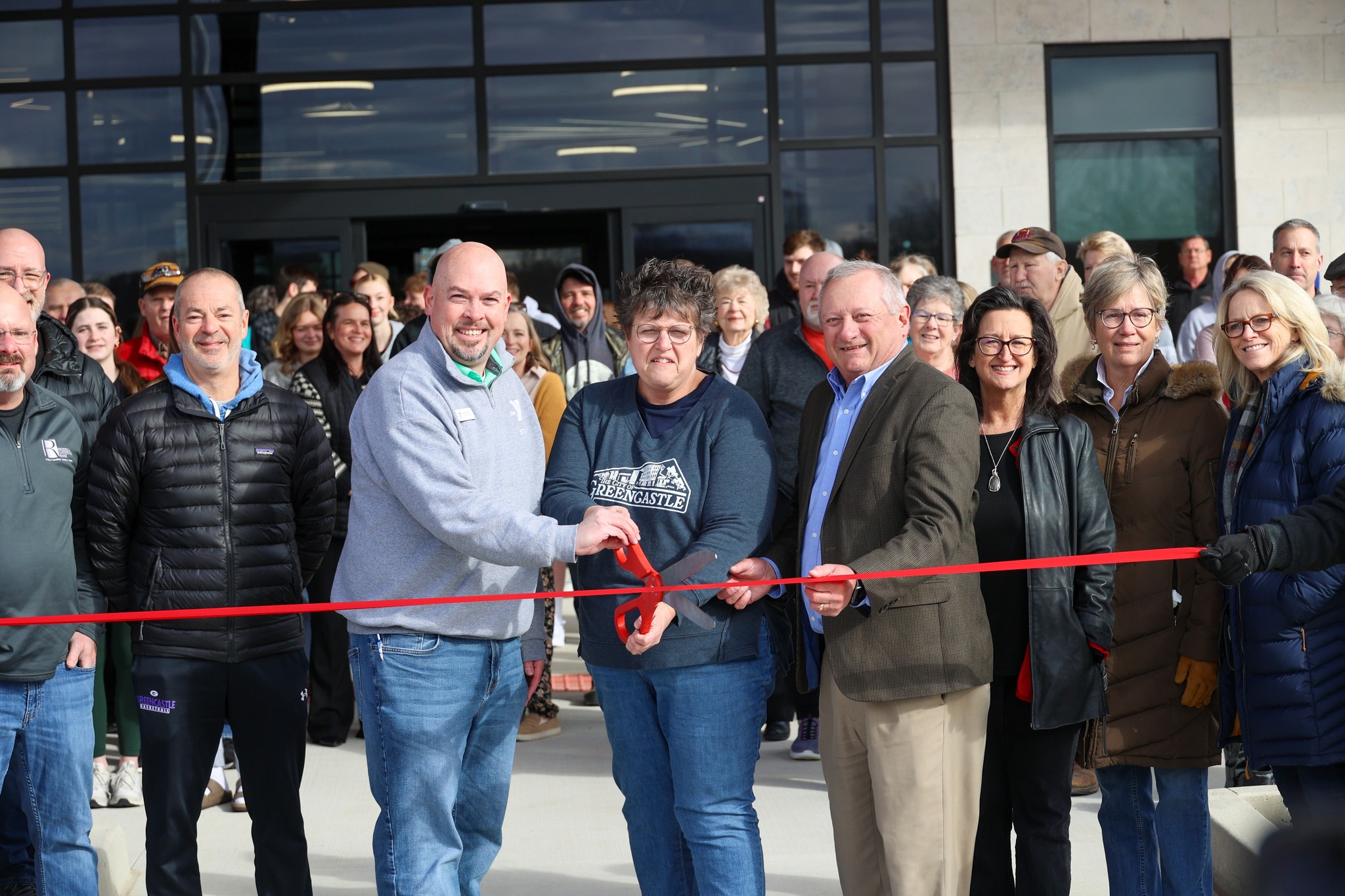
When the Putnam County YMCA opened its doors in Greencastle, Indiana, residents walked in with a kind of disbelief. Children ran for the courts. Parents paused in the lobby. After nearly 40 years of hoping, studying, and starting over, the community center that lived in conversations for decades finally existed.

Former Mayor Bill Dory, who served from 2016 through 2023, remembers how long the idea simmered.

The Y dream actually started probably almost 40 years ago here in Greencastle,” he said. “There were studies, conversations, and stops and starts.

Former Greencastle Mayor Bill Dory and current Greencastle Mayor Lynda Dunbar recently sat down with Elevatus to discuss how Greencastle, Indiana, built a thriving YMCA through smart financing, partnerships, and phased planning — offering a replicable model for small cities. Here’s the playbook:
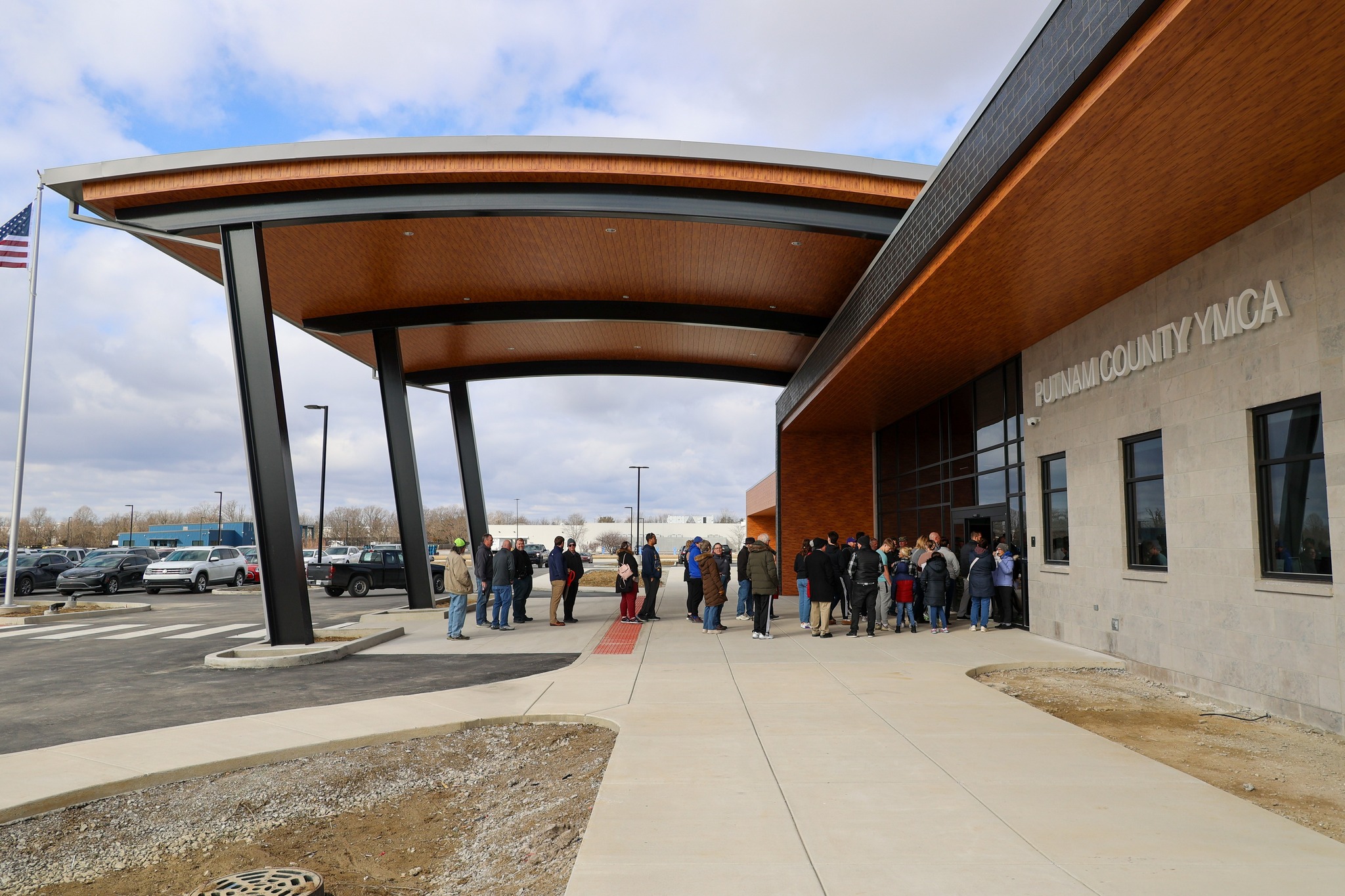
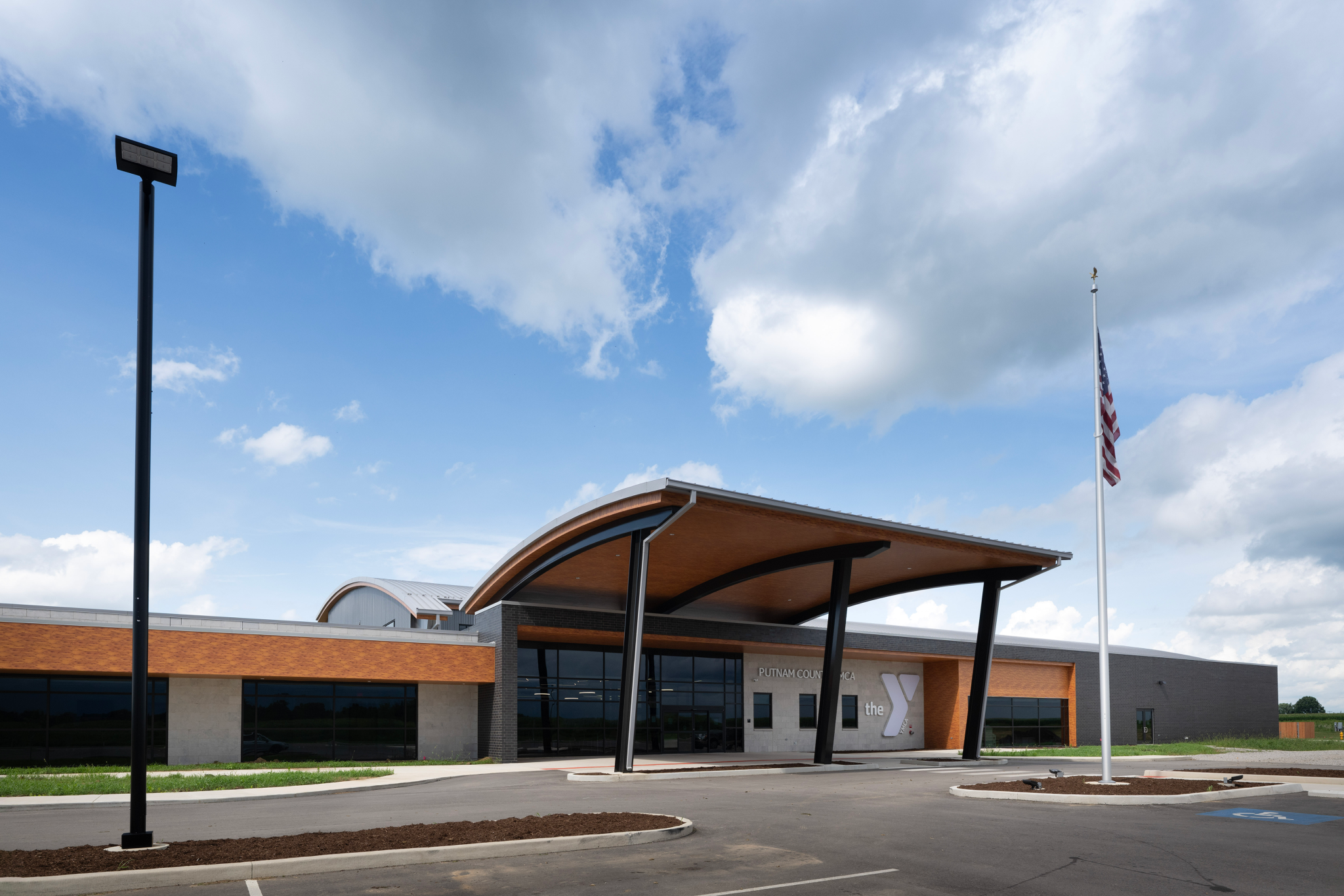
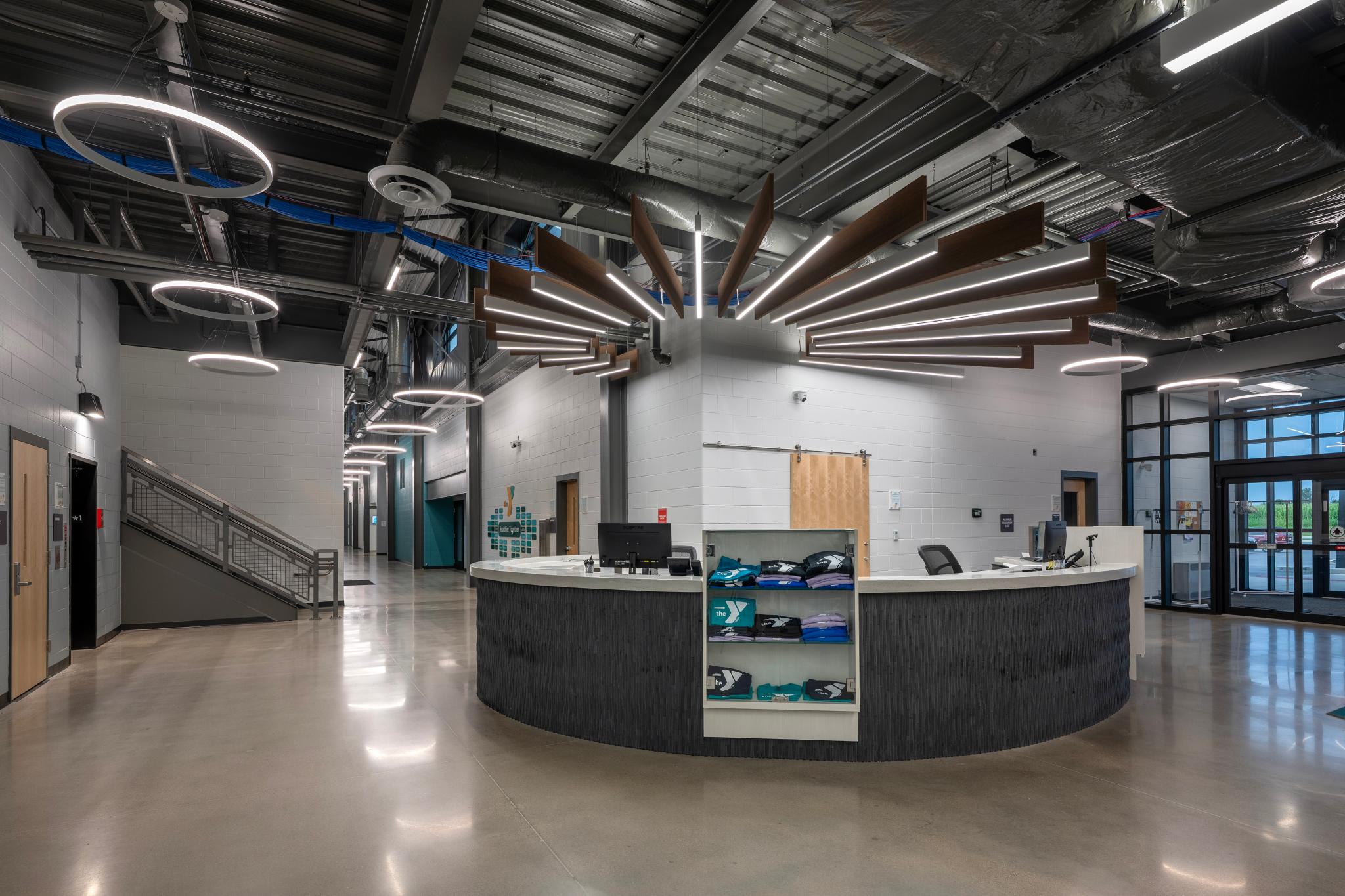
Putnam County YMCA entrance

The Early Stages: Conducting Studies and Securing a Site

Dory’s predecessor, Sue Murray, helped revive the Y dream by initiating fresh studies, including a national YMCA feasibility review. Community surveys showed “a really strong response,” which “generated enthusiasm for the project,” he recalled

Still, the city never had the right land. Two of the three sites identified early on “weren’t bad sites, but they would never allow for growth.”

Everything changed when the long‑held Ballard Farm property on the city’s eastern edge became available.

The Redevelopment Commission purchased 72 acres, set aside 15 acres for the future YMCA, sold 20‑plus acres to an industrial user, and positioned another 10 acres for eventual commercial development.

When that land is sold,” Dory explained, “it helps reimburse the Redevelopment Commission and underwrite the infrastructure.”

The site wasn’t perfect — “not really walkable,” as he put it, due to its location just outside the city — but it offered something Greencastle had never had: room to grow.

A Long Financial Arc and One Critical Decision

While the idea matured, Greencastle quietly prepared.

As Clerk‑Treasurer at the time, Lynda Dunbar (now mayor) helped the city save incrementally for years. “Here in Greencastle, we believe in having the money,” she said. “We’re a community that doesn’t have a lot of debt.”

By the time construction approached, about half the cost was paid in cash, with the remainder financed through bonds.

A pivotal moment came when the state placed sunsets on TIF areas. To protect revenue, the city issued a small bond strictly to extend TIF income through 2040. It ended up being the foundational financial decision that made the project possible whenever the city was ready.

As planning deepened, leaders also recognized a gap: under Indiana law, the Redevelopment Commission could build a facility, but not sustain its operating costs.

So they did something innovative.

Instead of asking the YMCA to run a capital campaign for construction, the city led a fundraising effort for startup costs and a long‑term endowment, supported by a $500,000 matching gift from the Putnam County Community Foundation. The campaign raised about $1.5 million, and the endowment is structured to stay with the building regardless of future operators.

Meanwhile, the YMCA pays nominal rent and is required to build a sinking fund for long‑term capital replacements. Putnam County Hospital, which occupies roughly 10,000 square feet of the 70,000‑square‑foot building, pays slightly below market rent, maintains its space, and contributes to bond costs.

We had really good financial advisors and really good legal assistance to help us put this crazy thing together,” Dory said.

The Partnership Engine Behind the Project

Greencastle’s project eventually tied together the City, the YMCA, Putnam County Hospital, the Community Foundation, DePauw University, and local industry leaders who needed occupational health services. It was a lot of moving parts. Every entity had its own board and attorneys.

The glue, according to Dunbar, was City Attorney Laurie Hardwick, who insisted every contract and expectation be defined before the next step.

She was the driving force,” Dunbar said. “It took time and was at times frustrating, but it prevented bigger issues later.

The design process moved smoothly thanks in part to Elevatus Architecture and Health and Wellness Team Lead Tom Salzer, selected because of his experience delivering YMCAs across the state and his firsthand understanding of how they operate financially.

We wanted to have a facility that will function well and do a good job,” Dory said, and selecting an architect who had seen Y financial statements “helped.”

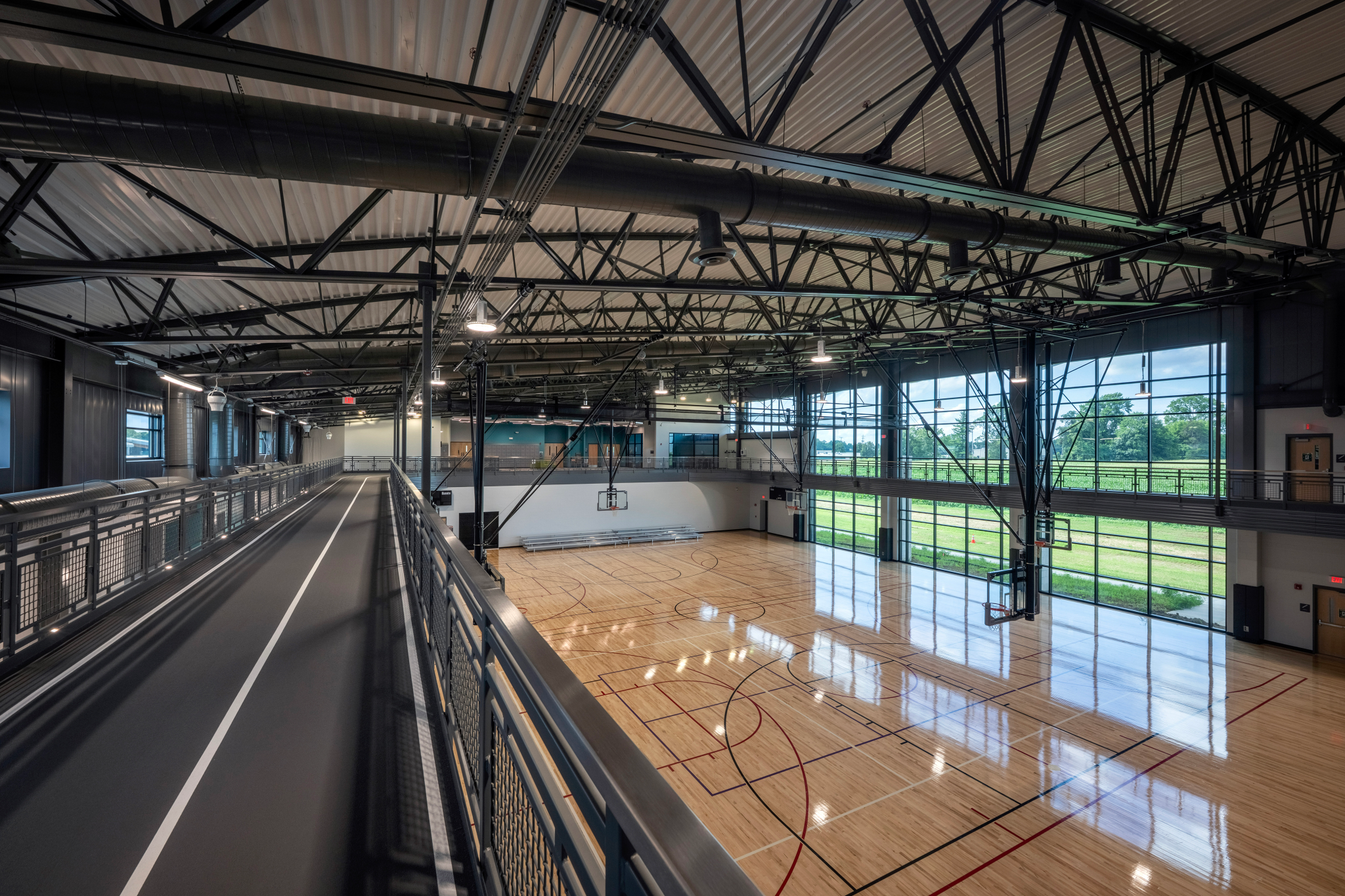
One decision that became central to functionality was the second gymnasium. Originally an add‑on alternate, the City Council took a decisive stance: “If we’re going to do it, let’s just do it and do it the first time.

Dunbar agrees that while it increased cost, “the Y has so much more functionality by having the additional gym.

Phasing Smartly: The Pool That Came Later

Early in the process, residents questioned why the YMCA wouldn’t open with a pool.

Leaders knew why. Pools are expensive to operate. The YMCA had been losing money on a pool in Terre Haute. The city already ran a summer pool. And they weren’t willing to compromise long‑term sustainability.

So the building was designed for a future aquatic expansion.

The turning point came through DePauw University, which was preparing a Lilly Endowment grant application. During a meeting, Dunbar was asked, “What do you think about putting a swimming pool at the YMCA if we can get the $9 million to put it in?” Her answer was immediate: “Hey, that would be great.

DePauw included the YMCA’s construction value as grant match. In an unusual move, Lilly allowed dollars already being spent to count. The university ultimately received $32 million, with about $10 million dedicated to the Y pool and its future maintenance, including $1 million to the Community Foundation. The City has selected its contractor, design is complete, and groundbreaking is scheduled for early 2026.

Around town, Dunbar said, “That’s probably the most asked question—when’s that pool going to go in?

A Community Center That Became an Economic Magnet

If there was any uncertainty about community impact, it vanished once the structure took shape.

Developers began asking to tour the YMCA as part of site visits.

Their reaction is usually, ‘Wow!‘” Dunbar said. “It has become a real cornerstone on the east side.

Membership numbers have already exceeded projections, and leaders expect another 15–20% increase once the pool opens. Dunbar hears frequently that the finished YMCA has surpassed “anybody’s expectation,” and even impressed surrounding counties.

For her, the transformation feels personal.

When I was a kid, we had to go to an elementary school and play basketball in the mornings because the principal was willing to come in and open the door,” she said. “Now our kids can have access to come out here and play ball or do whatever. We’ve come a long ways.

And for taxpayers concerned about cost? As Dory put it, “The way TIF works is it’s not an impact on the individual taxpayers. With the 1% property tax caps, it doesn’t impact them at all.

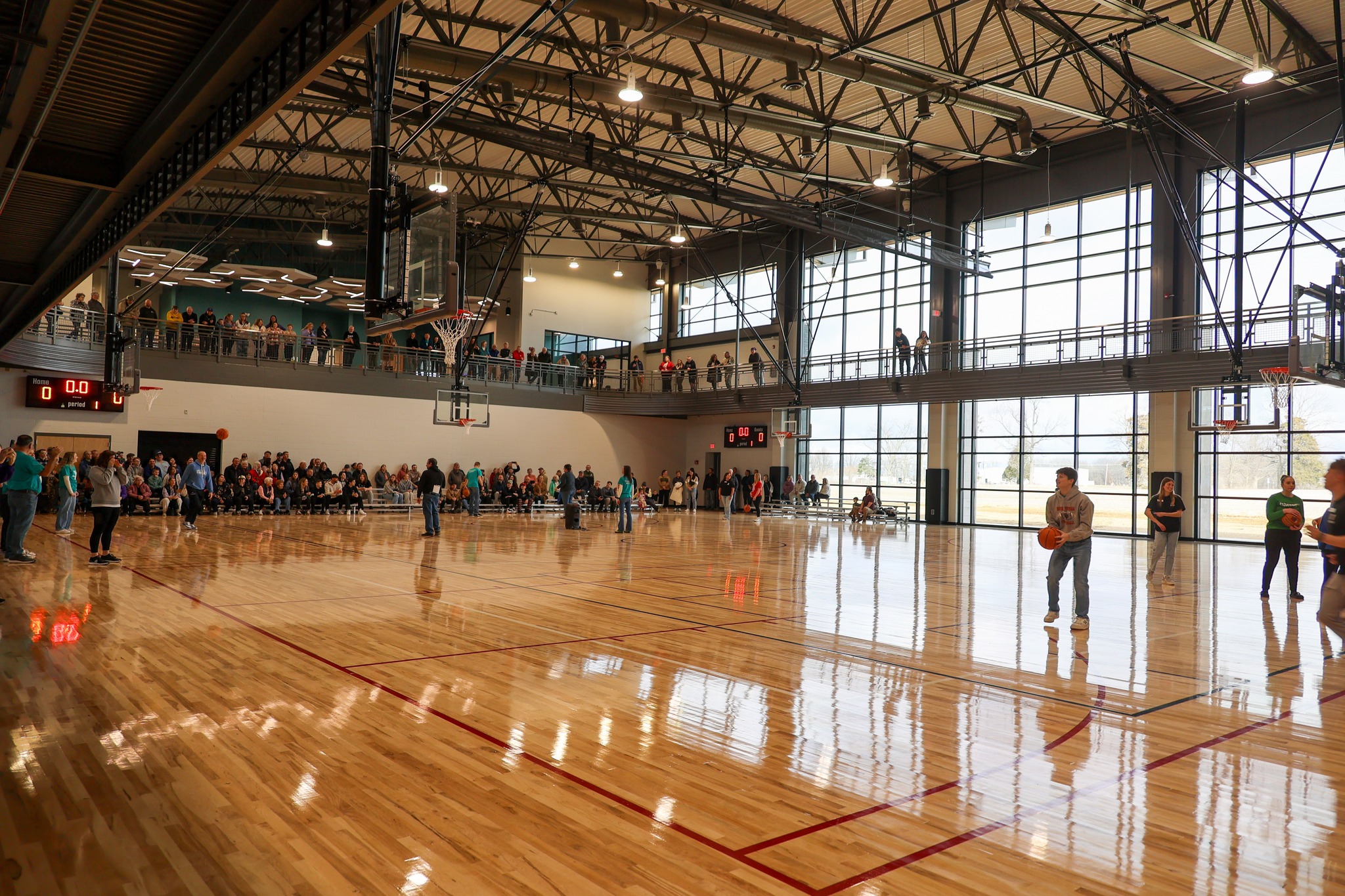
Putnam County YMCA Competitive Gymnasium

A Playbook for Other Communities

Asked what message Greencastle might offer to other Indiana cities, Dory answered simply: keep the idea alive and stay ready.

Sometimes you have to be strategic and take advantage of opportunities when they arise,” he said.

Dunbar added, “If you feel like you really have a lot of community support behind you, sometimes you just have to take the risk and do it. It was a good risk that the city took in getting this building built.

From long‑range saving to the right land, from contract discipline to endowment planning, from phasing the pool to layering partnerships, Greencastle proved that a YMCA is not out of reach for smaller communities.

It just requires structure, patience, and the willingness to act when the moment finally comes.

Top Tips for Cities Building a YMCA: The Greencastle Playbook

  1. Start Saving Before You Need It. Build cash reserves over time. Greencastle funded half its YMCA in cash.
  2. Lock In Your TIF Base Early. Protect long‑term revenue before you need it. A simple bond preserved funds to 2040.
  3. Secure the Right Site, Not the Perfect One. Pick land that allows future growth. Fifteen buildable acres unlocked possibility.
  4. Build a Coalition, Not a Committee. City. YMCA. Hospital. University. Foundation. Industry. Everyone has a role.
  5. Get the Contracts Right Before Anything Moves. Clear agreements upfront prevent years of pain later.
  6. Design for Today and Tomorrow. Plan your building for future phases (like a pool) even if you can’t afford them yet.
  7. Create a Sustainability Engine. Endowment + sinking fund = a facility that stays maintained for decades.
  8. Don’t Be Afraid to Say No (At First). Greencastle said no to a pool… until the right partner and funding appeared.
  9. Leverage Outside Grants with Creativity. DePauw + Lilly Endowment + flexible match rules = $10M pool solution.
  10. Choose an Architect Who Understands YMCAs. Experience with Y operations avoids future maintenance surprises.
  11. Expect Delays — and Keep Going. Covid, soils, shortages. Push through. The community will thank you.
  12. Celebrate the Economic Ripple Effect. A strong YMCA attracts development and signals a city is “on the move.”

If your city is exploring a community YMCA, the Health and Wellness team at Elevatus can share lessons learned and first‑step frameworks. Contact us!

Logo Angles White
Feb 26

Groundbreaking Celebrated at Wildwood Racquet + Wellness Club

Elevatus Architecture's Author Photo
Elevatus Architecture

Elevatus Architecture, Tonn and Blank Construction, Fort Wayne Mayor Sharon Tucker, and Wildwood Racquet + Wellness Club celebrated a groundbreaking today, marking the next chapter for the local club. The project reimagines the facility with approximately 20,000 square feet of interior renovations, exterior updates, and new outdoor dining spaces de ...