Justice Beyond the Cell Block: Why Administrative Space Matters in Jail Design
Have you ever heard the phrase, “office space is just office space”?

That may be true in a traditional setting, but it does not apply to public safety or jail facilities.

As a former sheriff who led the planning and design of a new jail while in office, and now supports counties nationwide as they plan modern facilities, I have seen firsthand how critical administrative space truly is. These areas directly impact operations, staff wellness, efficiency, and public trust—yet they are often underestimated.

Jails are highly specialized facilities governed by state and nationally adopted standards. While detention spaces naturally receive significant attention, the administrative side of a jail is just as essential to long‑term success in today’s law enforcement environment.

So, let us explore the facility beyond the cell block.
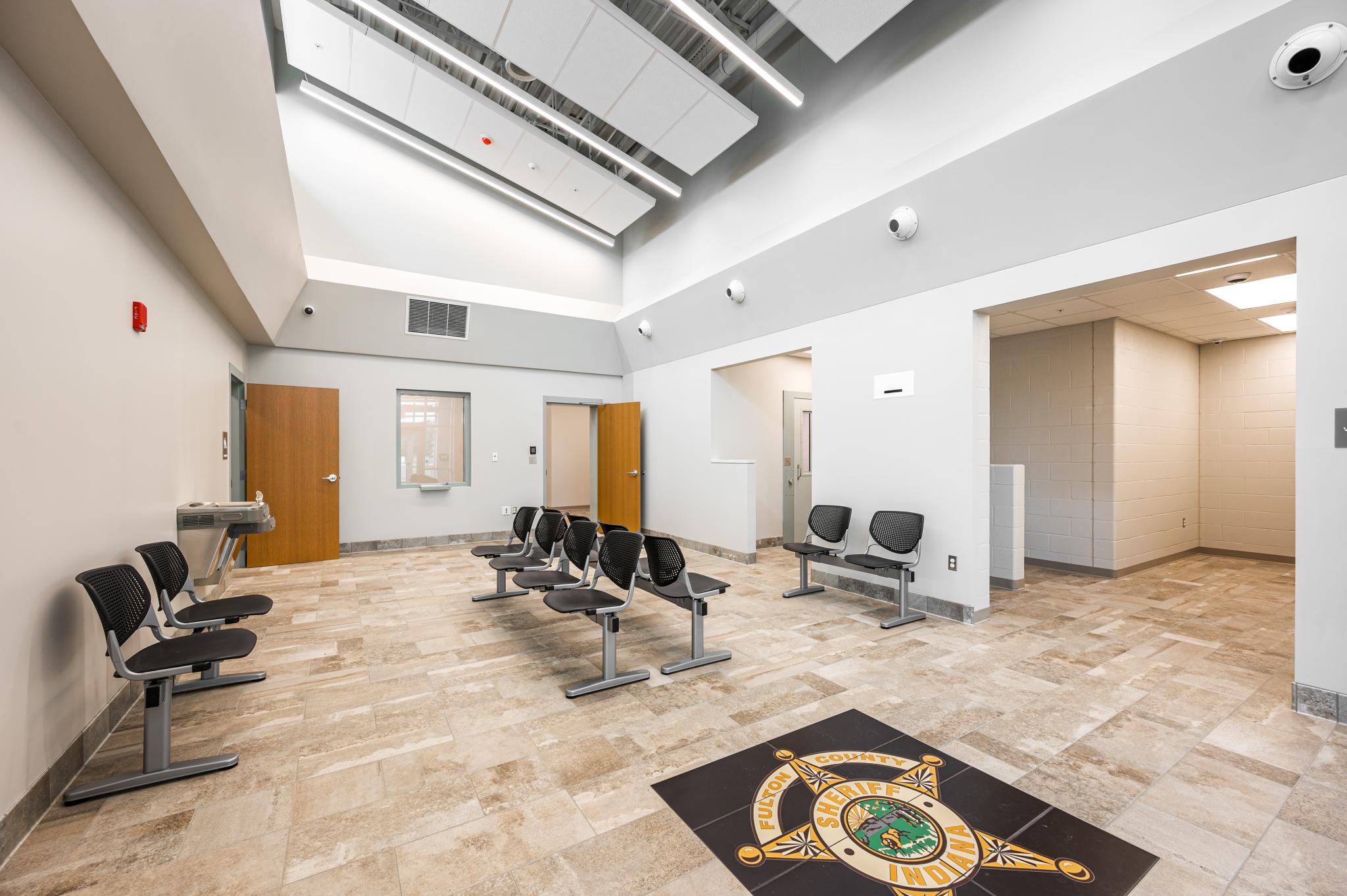
an image of a lobby

Lobby and Public Entry

The lobby is often the first point of contact between the public and the agency. This space should be designed to accommodate visitors who have business with the department while maintaining security and clear separation from staff-only areas.

In many facilities, the lobby can also support video visitation for the jail, along with space for attorneys and bail bondsmen. When designed correctly, secured access points allow these functions to occur without requiring additional staff escorts, improving efficiency and safety.


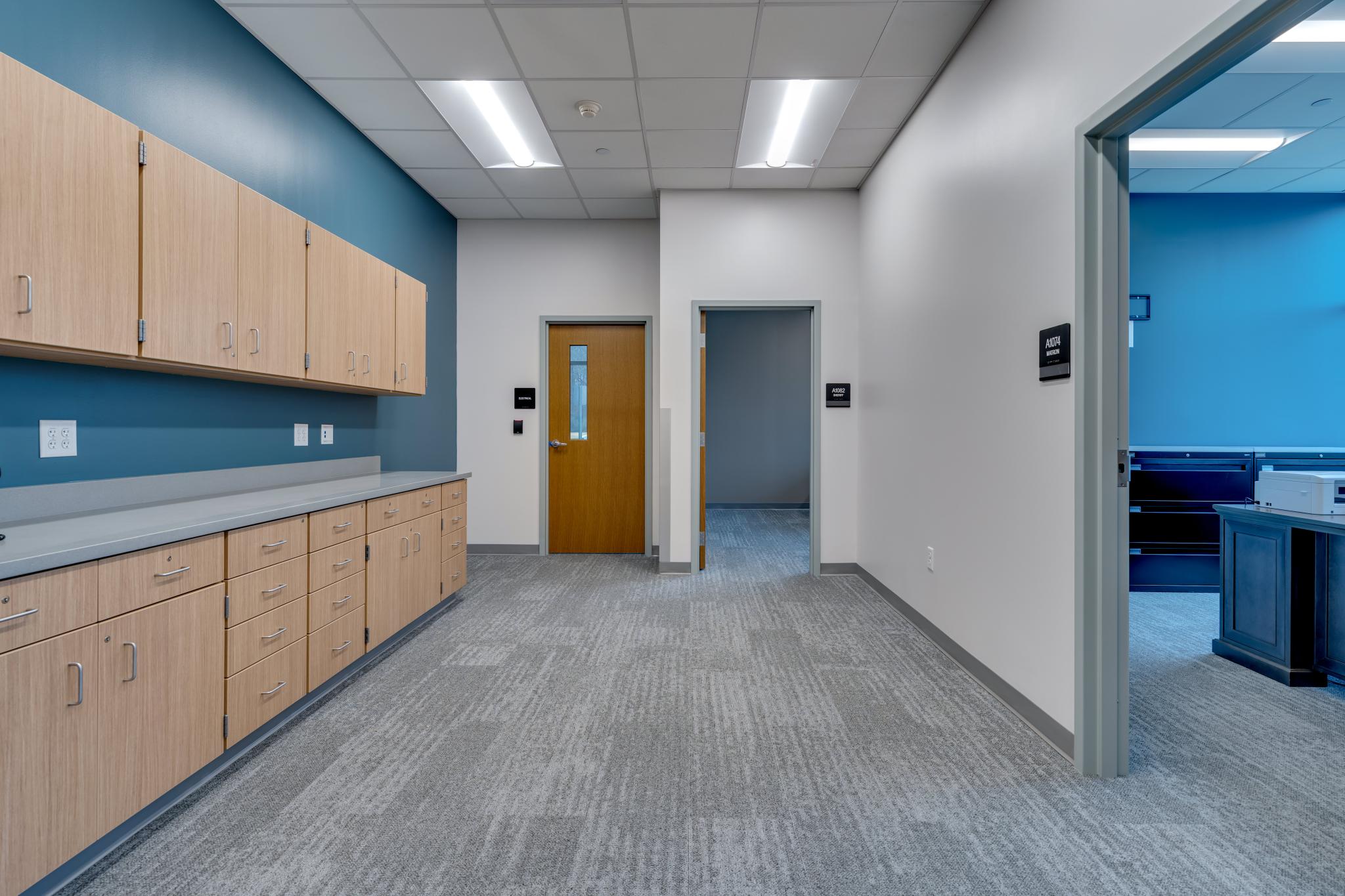
Administrative and Business Offices

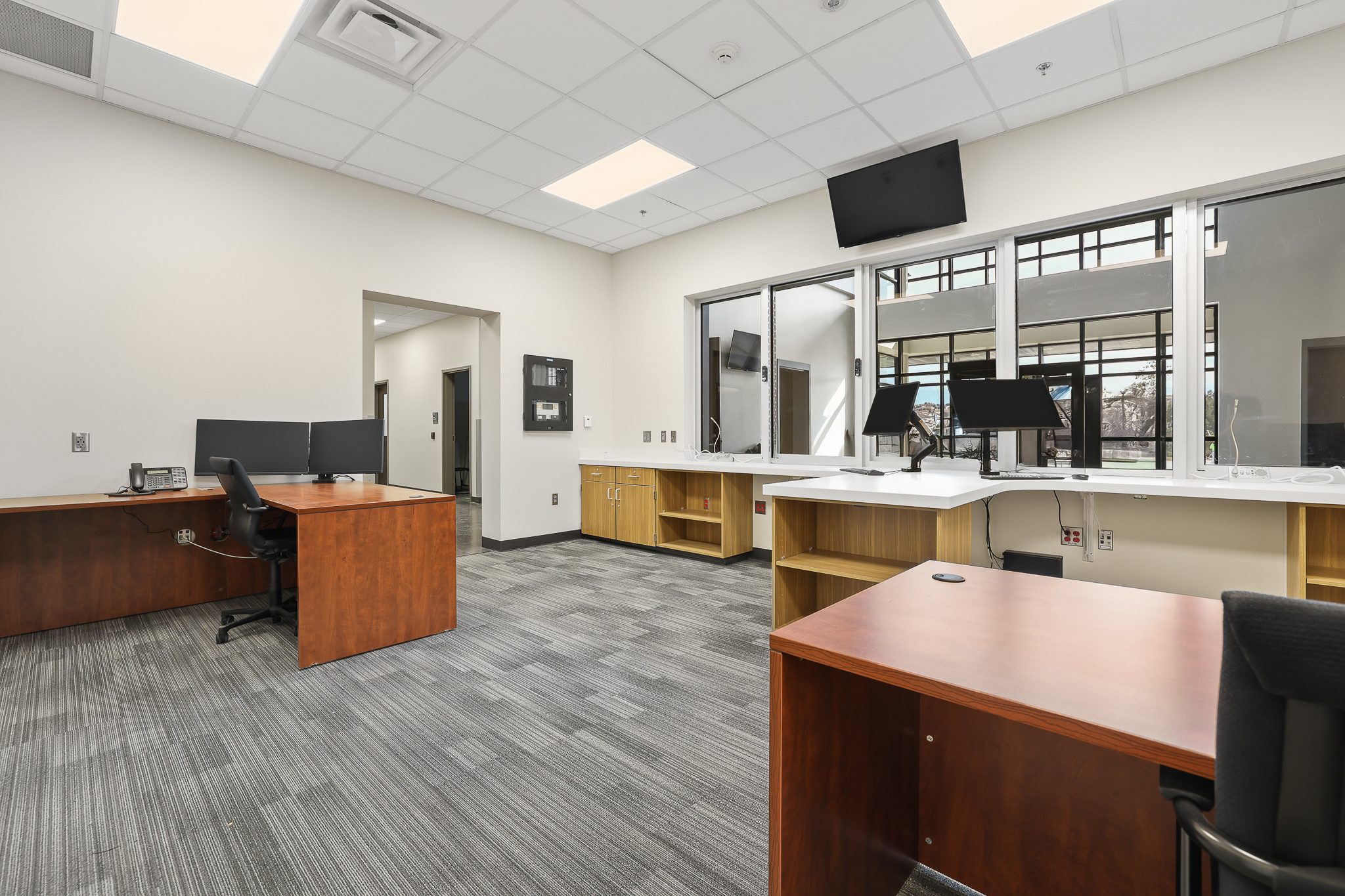
A professional business office environment supports the daily operations of the agency. These spaces often include an executive suite for the agency head, offices for business managers, records, civil process, and clerks. The configuration should remain flexible to reflect the specific needs of each department.

Additional spaces may include offices for supervisors, squad rooms, and work areas where officers can complete reports and administrative tasks. When thoughtfully planned, these areas support productivity while reinforcing professionalism and accountability.

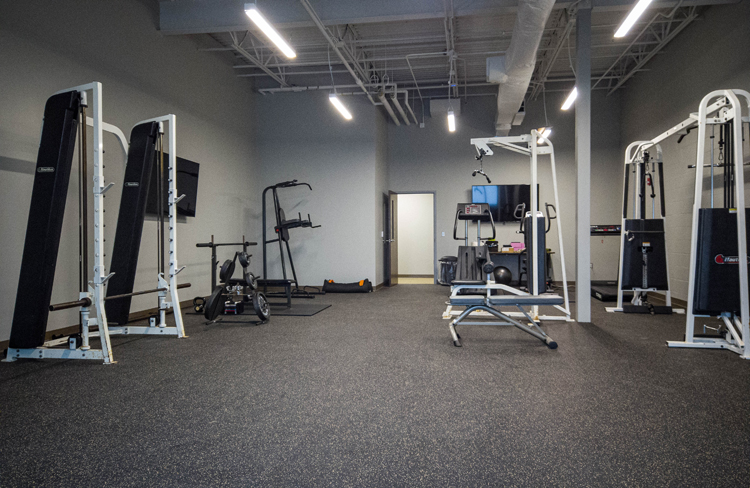
image of workout facility

Training, Meeting, and Wellness Spaces

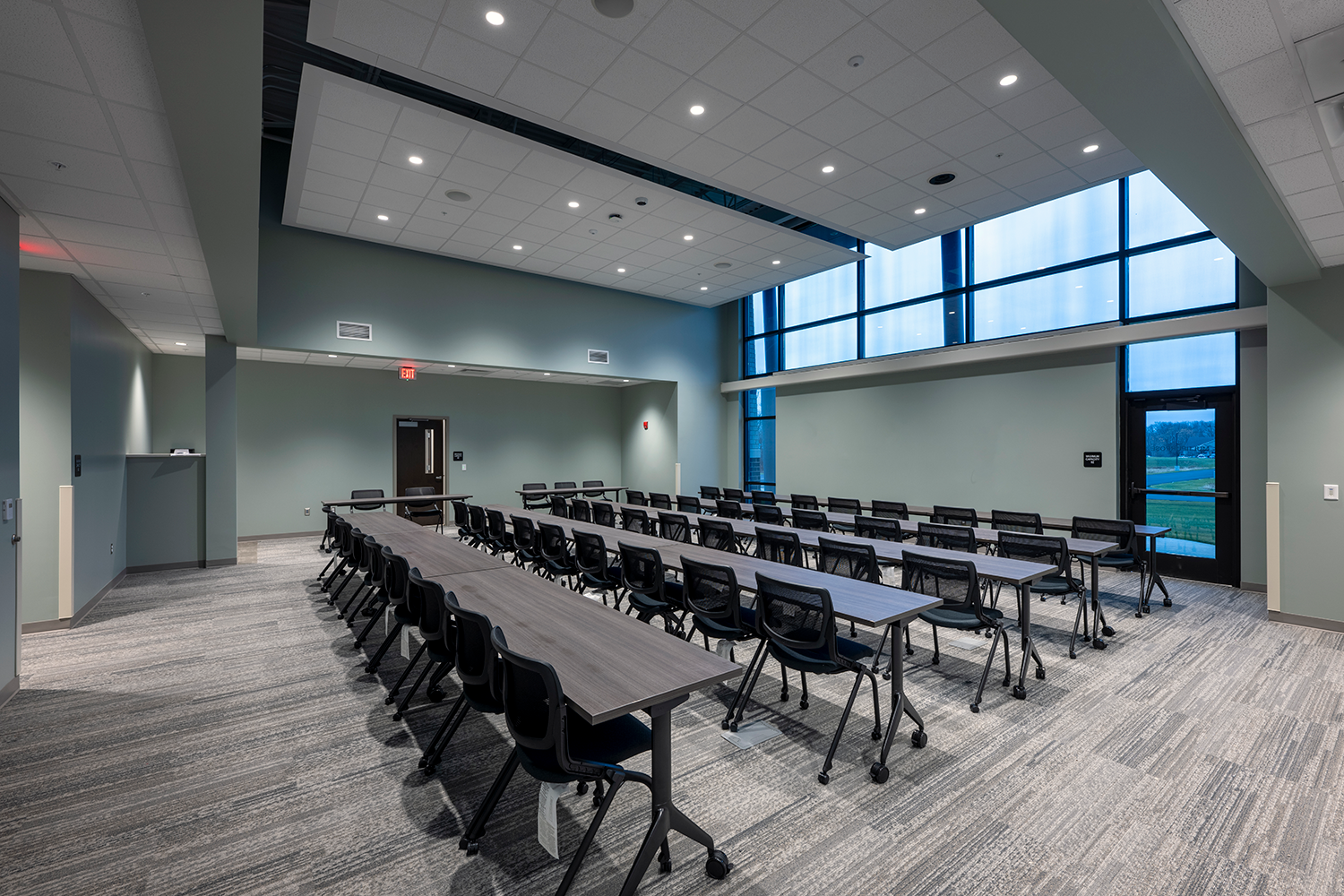
Training and meeting rooms should never be an afterthought in today’s facilities. These spaces are often designed to serve multiple purposes, including staff training, emergency operations centers, multi-agency coordination, and even public meetings.

Physical fitness areas such as workout rooms or weight rooms are equally important. These spaces support officer wellness and long-term health, which directly impacts performance and retention.

Many agencies also benefit from a dedicated wellness room. This quiet, comfortable space gives employees a place to decompress after a stressful incident or take a brief break when needed. Providing this type of environment acknowledges the realities of the job and supports mental well-being.

Evidence Storage and Investigations

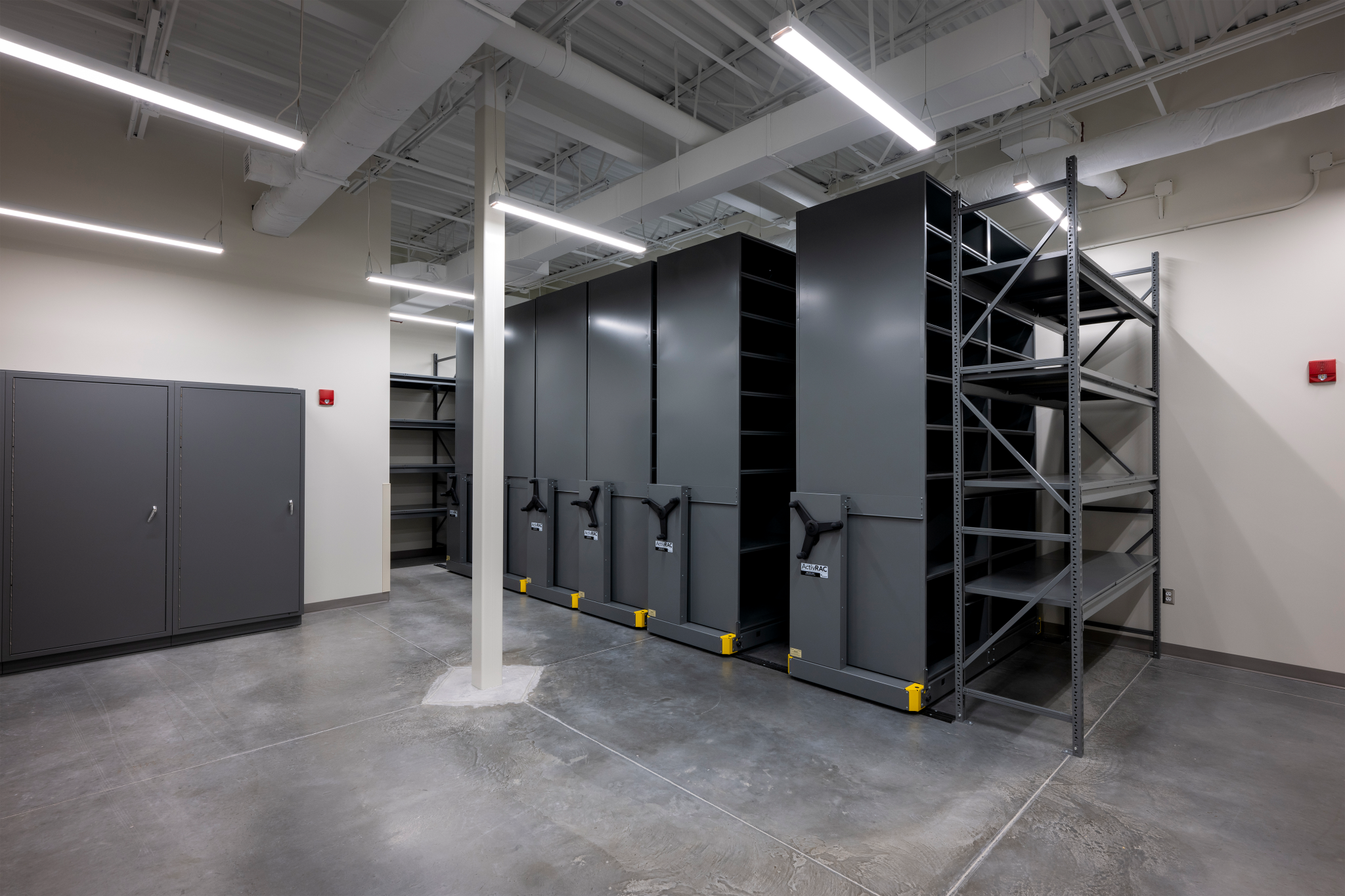
Evidence storage is one of the most critical operations within a law enforcement agency. Maintaining the chain of custody requires a design that is secure, user-friendly, and compliant with all applicable standards. It must also be sized to accommodate future growth.

In one facility we designed, the evidence area included a drop-off zone with lockers of varying sizes to handle different types of evidence packaging. Adjacent work areas provided space for packaging, testing, and storing supplies. Inside the secure evidence room, there were dedicated areas for cataloging submissions, storing firearms and other high-value items, refrigerated evidence, and organized shelving systems.

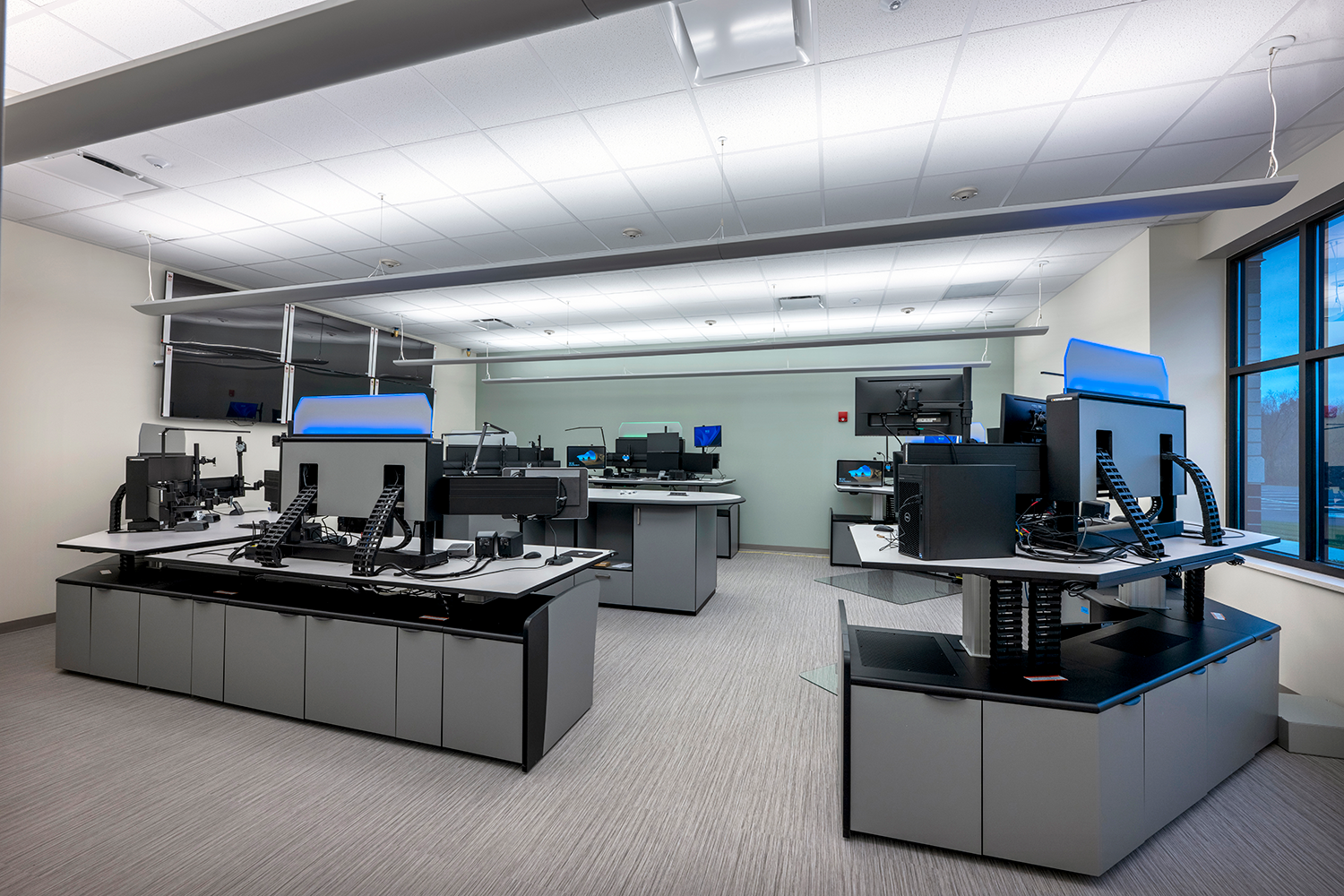
An evidence processing lab was also included for initial processing before items were sent to the state lab. Connected to this area was an investigations suite with detective offices and a small conference room to support collaboration with other agencies. Properly sized interview rooms completed the suite, allowing investigators to conduct effective and professional interviews.

Dispatch and 911 Centers

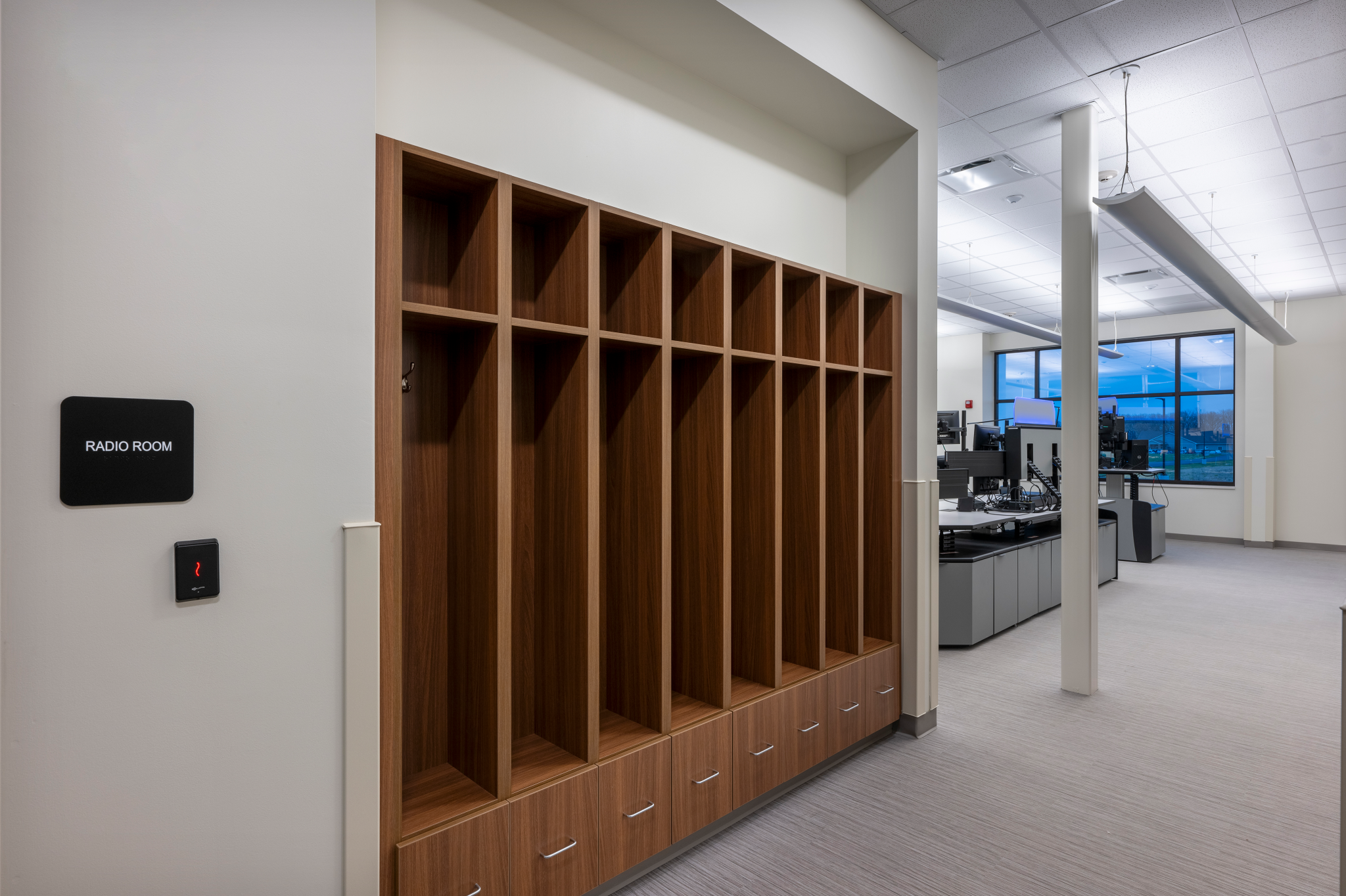
Dispatch or 911 centers are another key component of the administrative area. These spaces must accommodate radios, servers, and specialized equipment, all while meeting strict operational and security requirements. Proper planning and coordination are essential to ensure reliability and long-term functionality.

Right-Sizing Administration

Administrative spaces should be tailored to the needs of the agency. Private offices, collaborative work areas, meeting rooms, and training spaces all play a role. Too often, these areas are overlooked or reduced during budgeting discussions.

Today’s law enforcement agencies rely on more technology, cameras, and electronic systems than ever before. Facilities must provide a professional, well-equipped working environment that supports both current operations and future needs.

Storage: Plan for More Than You Think

Finally, storage. You can never have enough, and it is one of the most commonly underestimated components of a facility. Storage may include equipment, office supplies, uniforms, seasonal gear, or even dog food for a K9 program.
A good rule of thumb: if you think it is big enough, make it bigger.

Logo Angles White
Apr 10

Elevatus' Craig Armstrong Talks Westville Prison Project on Podcast

Aaron Organ's Author Photo
Aaron Organ

Craig Armstrong joined the Detailed podcast by ARCAT to discuss how the Elevatus team leveraged precast concrete as a central design and delivery strategy on the massive Westville State Prison project.